JTF Academy · Blog
Owning the Night: Essential Safety Mitigation Strategies for Civilians in Low-Light
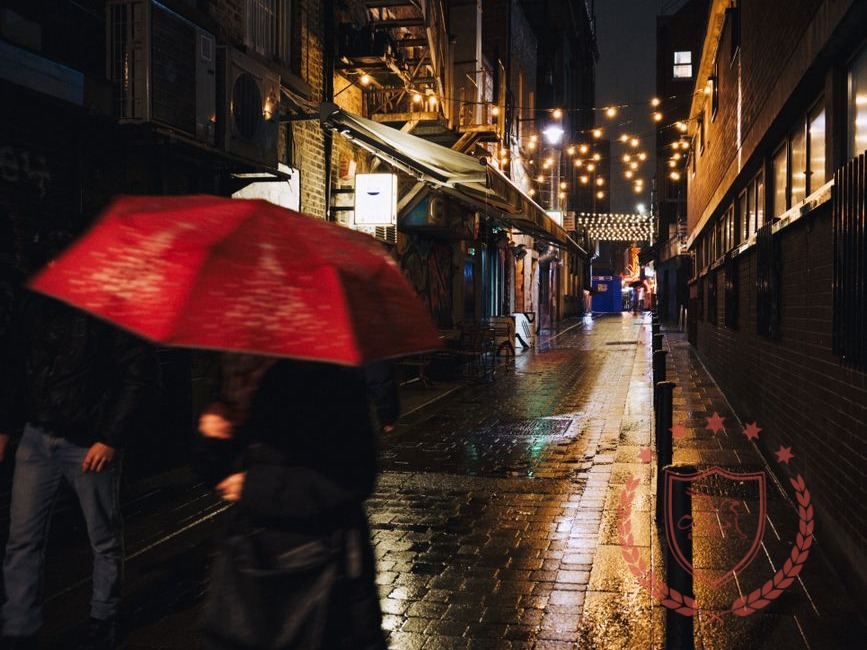
As daylight fades, the operational environment changes drastically. For civilians, navigating low-light or completely dark environments presents a unique set of physiological and tactical challenges. Human vision is severely compromised, depth perception is altered, and the ability to identify potential threats from a safe distance is significantly reduced.
Predators and opportunists understand this biological disadvantage and frequently use darkness for concealment and surprise. However, surviving and thriving in low-light scenarios isn't about avoiding the night—it’s about adapting to it. With the right mindset and practical strategies, you can effectively mitigate these risks.
The Foundation: Shift Your Situational Awareness
Situational awareness is always your first line of defense, but in the dark, it requires a conscious shift in how you gather and process information.
- Engage Secondary Senses: When your primary sense (vision) is restricted, your hearing must compensate. Remove headphones, pull back hoods that restrict peripheral hearing, and actively listen for anomalies—footsteps out of cadence, unnatural rustling, or abrupt silences.
- Off-Center Vision: The anatomy of the human eye makes our peripheral vision slightly more sensitive to movement in low light than our direct focal vision. Instead of staring fixedly straight ahead, keep your eyes moving and scan your environment continuously.
Environmental Exploitation and Avoidance
The most effective conflict mitigation strategy is avoidance. How you move through an environment dictates your vulnerability.
- Strategic Route Planning: Stick to well-lit main arteries whenever possible. A longer walk under streetlights is always preferable to a shortcut through an unlit park, alleyway, or industrial zone.
- Manage Transitional Zones: Moving from a brightly lit building into a dark parking lot (or vice versa) temporarily blinds you as your pupils adjust. Pause for a few seconds just inside or outside the doorway in a safe, defensible spot to allow your vision to adapt before moving into the open.
- Avoid Silhouetting: Be acutely aware of light sources behind you. Standing in front of a bright storefront window or streetlamp casts your silhouette into the darkness, making you highly visible to anyone in the shadows while keeping them entirely hidden from you.
Essential Tools: The Force Multiplier
As we have emphasized in our tactical flashlight training, carrying a reliable, high-lumen handheld light is non-negotiable for low-light safety.
- Information Gathering: A flashlight allows you to dictate the environment by removing a predator's primary advantage: concealment.
- Deterrence: Briefly illuminating a dark corner, an alley entrance, or even a suspected threat sends a clear, non-verbal message: I see you, I am aware of my surroundings, and I am not an easy target.
- Disorientation: In a critical, unavoidable encounter, a blast of high-intensity light directly into an attacker’s eyes disrupts their vision and their OODA (Observe, Orient, Decide, Act) loop, buying you the crucial seconds needed to escape or defend yourself.
Mindset and Movement
Projecting confidence is a powerful deterrent. Walk with purpose, keep your head on a swivel, and maintain a brisk pace. Furthermore, recognize that darkness distorts distance. Threats can close the gap faster than you might perceive in low light. Actively work to maintain a larger reactionary gap—the physical distance between yourself and an unknown individual—than you normally would during the day.
Safety in the dark is not about paranoia; it is about proactive preparation. By adapting your baseline awareness, making smart environmental choices, and utilizing the right tools, you take control of your environment. Self-preservation relies on recognizing the disadvantages of a given scenario and actively working to neutralize them.
Originally published by JTFAcademy on the Academy blog.